
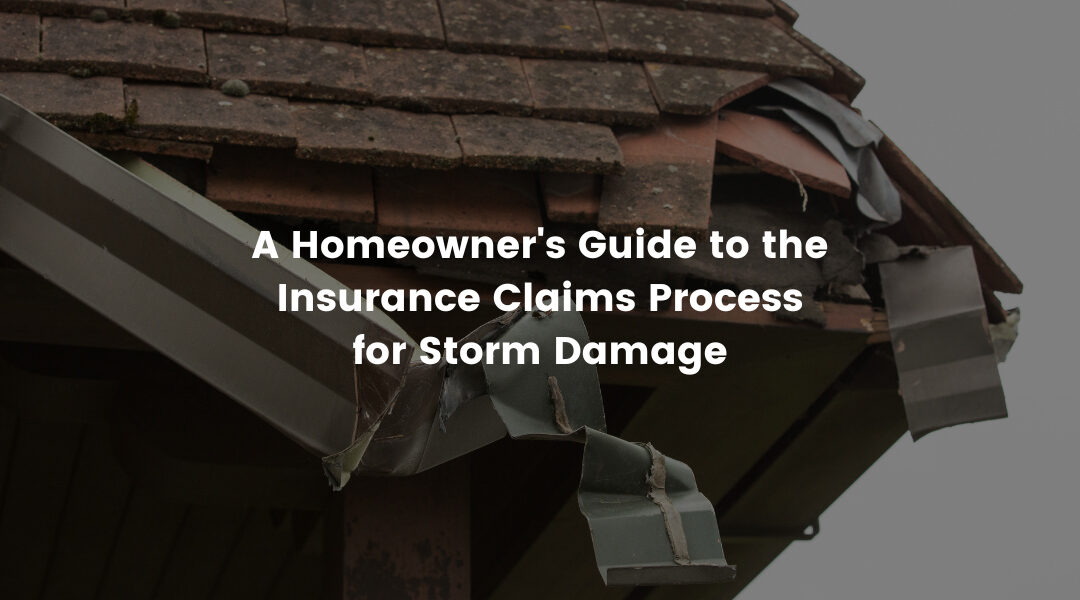
Storm season in the 4-State area leaves a lot of homes with damage that never gets dealt with. A few missing shingles after a windstorm, a dent in the gutters, a water stain on the ceiling that shows up weeks later. Plenty of homeowners set it aside, figuring they’ll sort it out when things calm down. Now that the busy part of the year has passed, it’s a good time to take a second look, because insurance claims come with deadlines and the clock may be running on damage from earlier this year.
If you’ve never filed a homeowner’s claim before, the process can feel intimidating. It’s more manageable than it looks once you know what the steps are.
Start With Your Policy
Before you call anyone, find your homeowner’s policy and read the sections on storm damage, deductibles, and filing deadlines. Many policies require you to report damage promptly, and some set a limit on how long after the storm you have to file. Wind and hail deductibles are often separate from your standard deductible, and sometimes they’re a percentage of your home’s value instead of a flat dollar amount. Knowing that number up front helps you decide whether a claim makes sense and avoids surprises later.
Document Everything You Can
Good documentation is the foundation of a smooth claim. Take clear photos and video of the damage from several angles, including close-ups and wider shots that show where the damage sits on the home. Note the date of the storm if you know it. If you’ve had to make temporary repairs, like tarping a section of roof, keep the receipts and photograph the work.
Damage you can’t see from the ground is easy to miss. Roof damage in particular often goes unnoticed until it causes a leak, which is why a professional inspection is worth having before you file, not after.
Working With Your Adjuster
Once you file, your insurance company will send an adjuster to assess the damage. Their job is to evaluate the claim for the insurer, and it helps to be prepared for that visit. Have your photos and notes ready, and walk the property with them so nothing gets overlooked. If a contractor has already inspected the home, their findings can give the adjuster a more complete picture of what needs to be repaired.
It’s also worth knowing that the first estimate isn’t always the final word. Adjusters can miss things, and a detailed estimate from a contractor can account for items that were left out. If something looks incomplete, you can ask for a review and provide supporting documentation.
Why a Local Contractor Belongs in the Conversation Early
The period after a major storm brings out contractors who aren’t from around here. They canvass neighborhoods, ask for deposits, and sometimes disappear when the work gets difficult. Choosing a contractor who is based in Joplin and has been part of this community for years protects you from that.
A local contractor who understands the claims process can inspect the damage, put together a clear scope of work, and communicate with your adjuster on the details so you aren’t left translating between two parties. That experience saves time and keeps the repairs matched to what the policy covers.
Don’t Let Deadlines Pass
If you suspect your home took damage this year, don’t wait for a leak to confirm it. Small problems turn into bigger ones once freezing temperatures arrive, and a claim that’s filed late can be harder to get approved.
DeGraff Construction helps homeowners across Joplin and the 4-State area with insurance claim repairs, from the first inspection through the finished roof or exterior work. We offer free estimates, so there’s no cost to find out where your home stands. Reach out through our contact page or call us at (417) 483-9159, and we’ll take a look.